

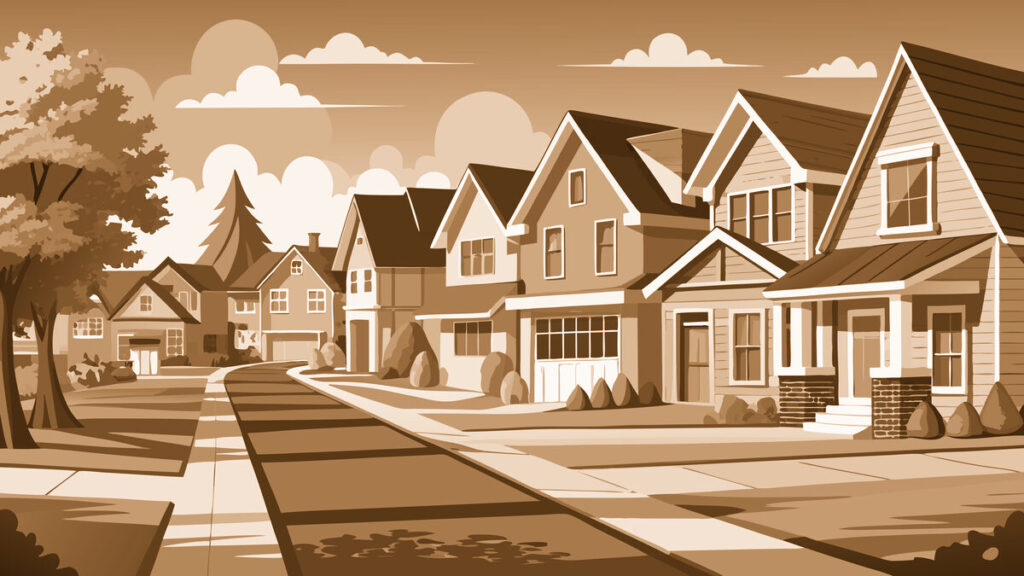
Nestled on the welcoming banks of the Kootenai River, the Libby East neighborhood has long been a vital piece of Libby, Montana’s vibrant tapestry. From its early days as the heart of timber industry expansion to its present status as a friendly, evolving residential area, Libby East remains a living chronicle of heritage, community, and renewal. For those who call it home, every street and landmark reflects a story worth sharing.
The Origins of Libby East
The roots of the Libby East neighborhood stretch back to the late 19th century when the dreams of Montana’s westward pioneers met the opportunities brought by the railroad and logging booms. As Libby grew around its bustling sawmills and resource-rich hills, the eastern side of town naturally attracted early settlers. Drawn by the gentle rise above the river floodplain and its proximity to commerce, these families helped shape the area into one of Libby’s first true neighborhoods.
The name “Libby East” is a simple one, but its meaning is layered. It refers not just to its geographical position east of Mineral Avenue—the main thoroughfare that bisects the town—but also to its role as a gateway: a welcoming entry point for those arriving from the direction of Kalispell Avenue or US Highway 2. Over the decades, “East” became synonymously linked with stability, grit, and a close-knit community spirit.
Key Historical Milestones
Libby East’s progress mirrored the town’s fortunes. In the early 1900s, as logging became king, streets like Louisiana Avenue and E. Lincoln Boulevard saw the rise of modest homes built for mill workers. The completion of the Libby Dam in the 1970s, a project that forever changed the region’s waterways and economy, brought new families and commerce to Libby East. Several original structures still stand, their timbers echoing the handiwork of generations past.
The 1950s were a defining period for the neighborhood, as the post-war housing boom “filled in” the blocks with a blend of sturdy ranch houses and Craftsman cottages. The Libby Elementary School, built in 1966 on E. Lincoln Boulevard, served (and still serves) as an anchor institution—where children’s laughter on the playground has marked time for decades.
Notable Landmarks and Institutions
- Libby Cemetery: Established in the early 1900s and tucked quietly off Louisiana Avenue, the Libby Cemetery is a poignant reminder of the area’s pioneer legacy. It’s where local families gather to remember loved ones and where local history is quite literally etched in stone.
- Riverfront Park: Spanning from E. Lincoln Boulevard down to the Kootenai River, Riverfront Park connects both residents and visitors to the natural beauty that defines Libby. Its walking trails, picnic areas, and fishing spots are a year-round draw. Standing at the boat ramp, you get a sense of the river’s eternal flow—much like the neighborhood itself.
- The Historic “Granary” Building: Once the town’s critical feed and seed store, this old wooden structure—though no longer in use—is a beloved local landmark. Visible from Kalispell Avenue, it reminds residents of Libby East’s agricultural roots and the industriousness of earlier times.
- Libby Elementary School: Beyond its educational mission, this school often hosts neighborhood events, from winter holiday concerts to springtime science fairs, making it a hub of community life.
Changing With the Times
Libby East has never been static—it’s a neighborhood defined by evolution. In the 1980s and 1990s, as the timber economy shifted and the town diversified, the area saw new families moving in, empty nesters downsizing, and more single-family homes replaced with duplexes and updated ranch-style dwellings. The longtime “mom and pop” stores have given way to a mix of locally owned bakeries and modern service businesses, but the ethos of neighborliness endures.
As environmental awareness grew in later decades, the community organized around preserving green space and maintaining the river’s health. The “Friends of Riverfront Park” group, founded by Libby East residents in the 2000s, has spearheaded cleanup days and advocated for trail improvements, leaving a legacy of stewardship for future generations.
Meanwhile, the annual Libby East Block Party—held each summer on Spruce Street—has become a favorite tradition, where old-timers and newcomers alike share homemade pies, local music, and memories beneath the big sky.
What Makes Libby East Special Today
To walk Libby East’s leafy streets today is to glimpse both the continuity and the quiet progress that has shaped this corner of Libby for over a century. You’ll find front porches lined with wildflowers, families biking along E. Lincoln Boulevard, and the echoes of history in every weathered barn and school bell.
Neighbors still check in on each other after a heavy snow, and kids still race to claim the “best” sledding hill in Riverfront Park come winter. Churches and volunteer groups remain active, welcoming new arrivals while honoring the traditions that define Libby East’s character.
Libby East is a neighborhood that remembers its roots and looks to the future with optimism. From founder families to recent transplants, everyone adds to the rich tapestry—a community built not just on wood and stone, but on connection and shared stories.
So, whether you’re a lifelong resident, a recent arrival, or planning your first visit, take the time to stroll the lanes of Libby East. Here, history isn’t just preserved—it’s alive, woven into the very fabric of daily life.